
Back to all use cases

Uncover Strong Paraquat Claims Faster with AI-Driven Medical and Exposure Review

Pattern Data helps firms bring clarity to early-stage Paraquat litigation by streamlining medical record extraction, validating exposure information, and differentiating Parkinson’s Disease from similar conditions. With automated symptom detection, medication tagging, and case scoring, teams can quickly surface strong cases and organize large inventories with confidence.
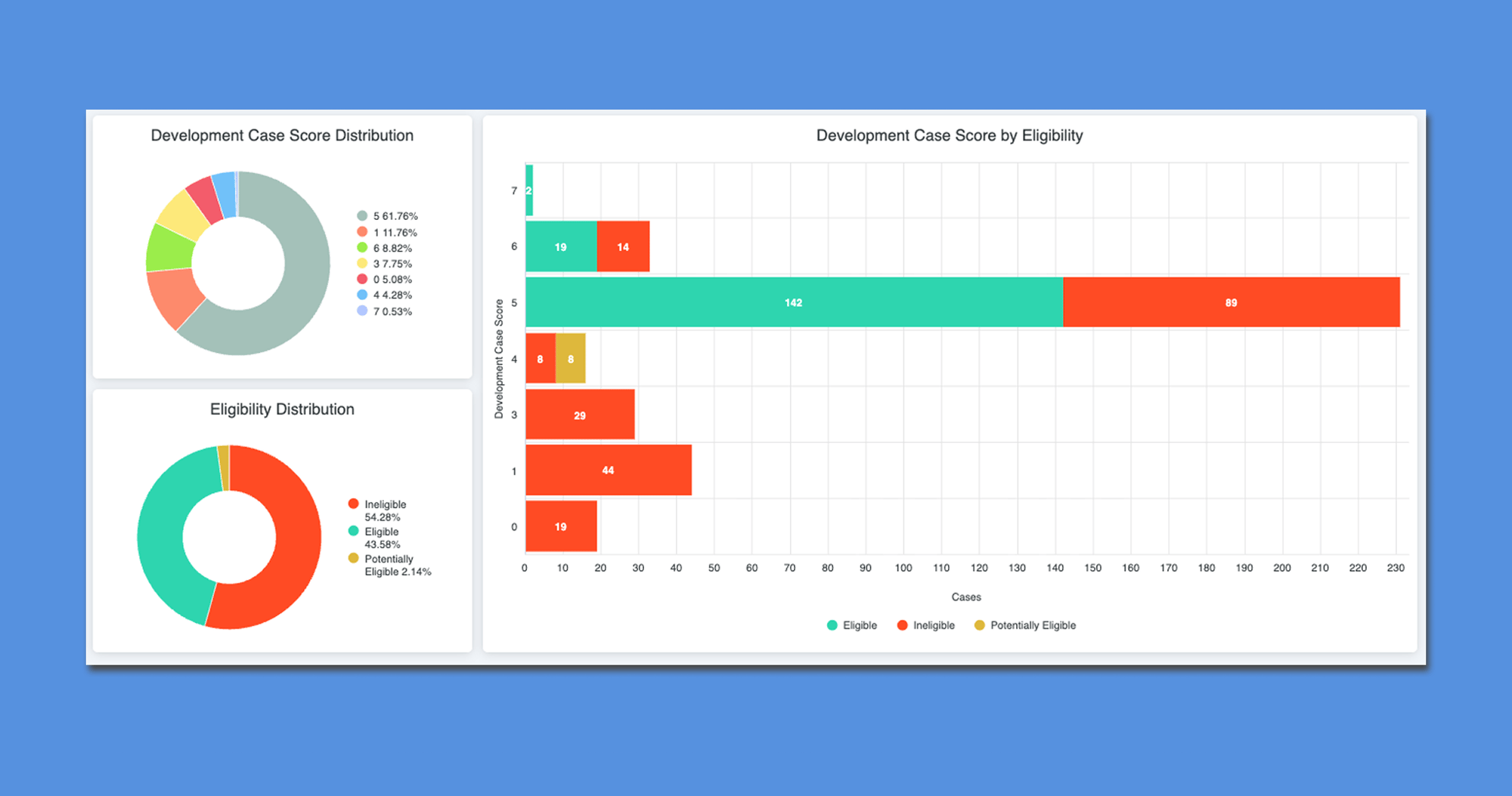
Paraquat Case Score (1)
intelligent tagging

Intelligent Data Extraction & Tagging

Pattern highlights Parkinson’s-related symptoms, medications, and exposure details found across the record set. Relevant information is surfaced automatically so reviewers can focus on confirmation and context.

intake

Comprehensive Claimant Profiling

Key medical and exposure information is organized into standardized claimant profiles. Reviewers can quickly see whether critical details are present and where records may require follow-up.

intake

Case Classification & Prioritization

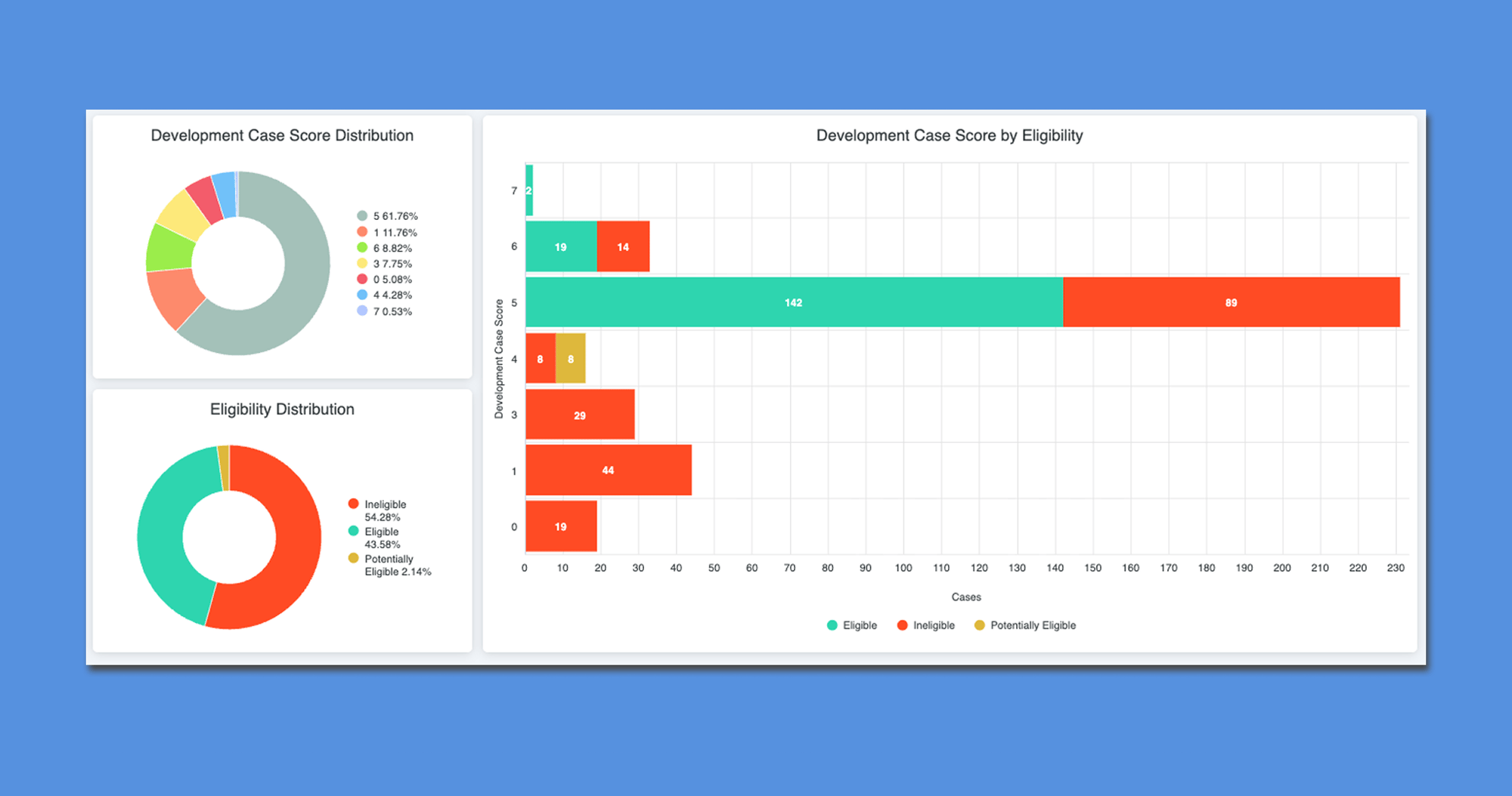
Pattern helps firms understand case strength and review needs across their inventory. The Development Case Score provides a quick, consistent way to compare cases and plan next steps.

strategic

Precise Diagnosis Differentiation

The platform organizes diagnosis details so teams can determine whether the claimant’s condition aligns with Parkinson’s Disease or a related condition. This supports stronger and more accurate early case assessments.

What to look for in the Paraquat Lawsuit

These key criteria help legal teams evaluate claim strength, prioritize inventory, and guide early case development in Parkinson’s litigation.

Common Parkinson’s symptoms: tremor, rigidity, balance issues, or slowed movement

Occupational exposure details: mixed, sprayed, transported, handled, or had close contact with Paraquat during work

Product or manufacturer identification: Gramoxone, Syngenta products, or other known Paraquat formulations

Symptom onset and latency: medically appropriate timing between Paraquat exposure and symptom development

Parkinson’s-related medications: Levodopa, dopamine agonists, or other medications associated with Parkinson’s care

Relevant medical documentation: neurology visits, hospital records, pharmacy histories, or treatment notes that reflect symptoms or complications

See a clear summary of each Paraquat case

Pattern organizes key exposure and injury information into a single case snapshot. Eligibility indicators and the Development Case Score help teams understand overall case strength and identify where additional documentation may be needed.
Paraquat Simulate Case Strength Scenarios (1)

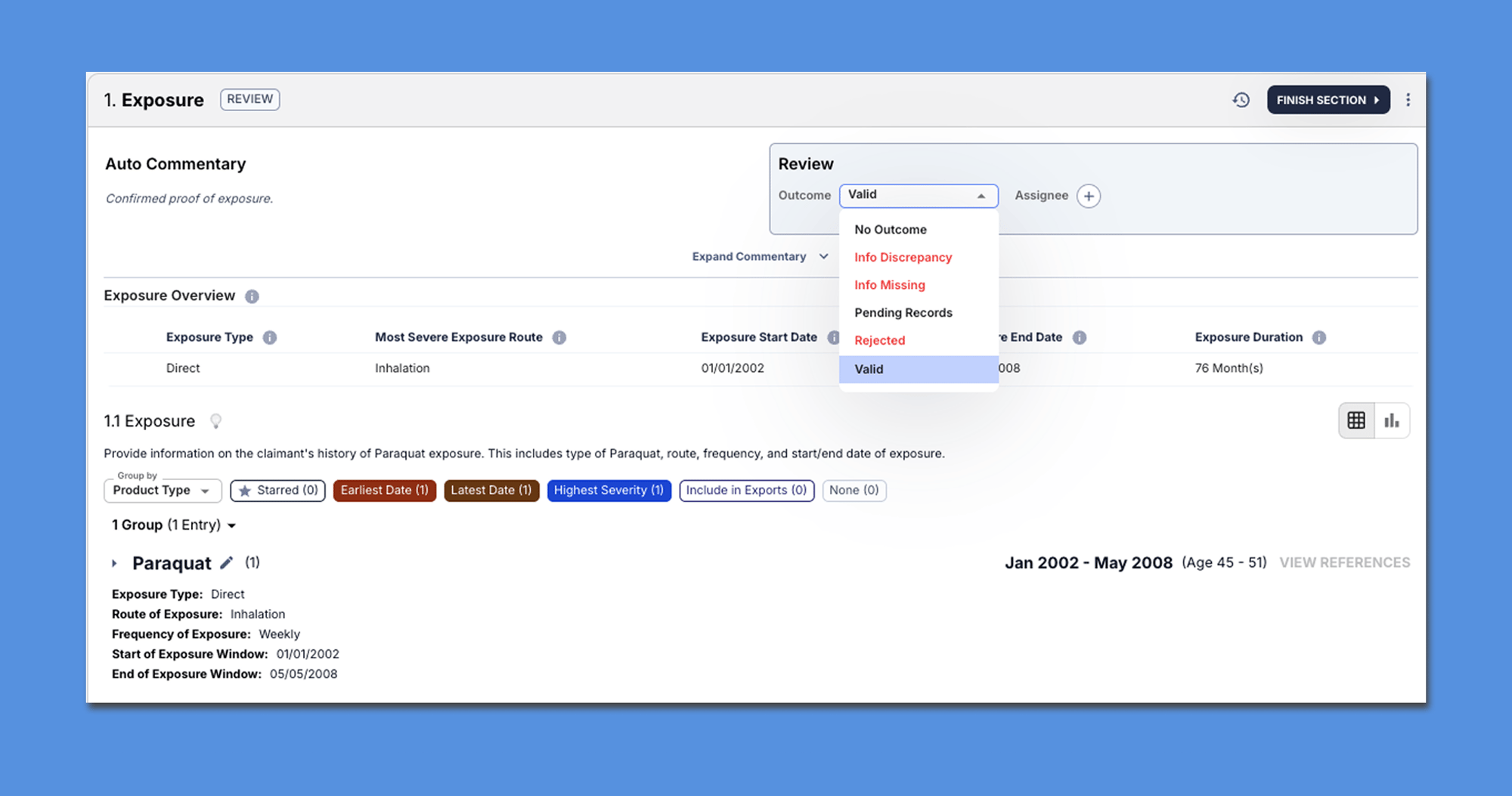
Validate exposure information quickly

Exposure details from intake and records are structured into clear fields, making it easier to confirm product names, work roles, date ranges, and possible routes of exposure. This helps firms identify missing pieces early in the review.
Paraquat Exposure

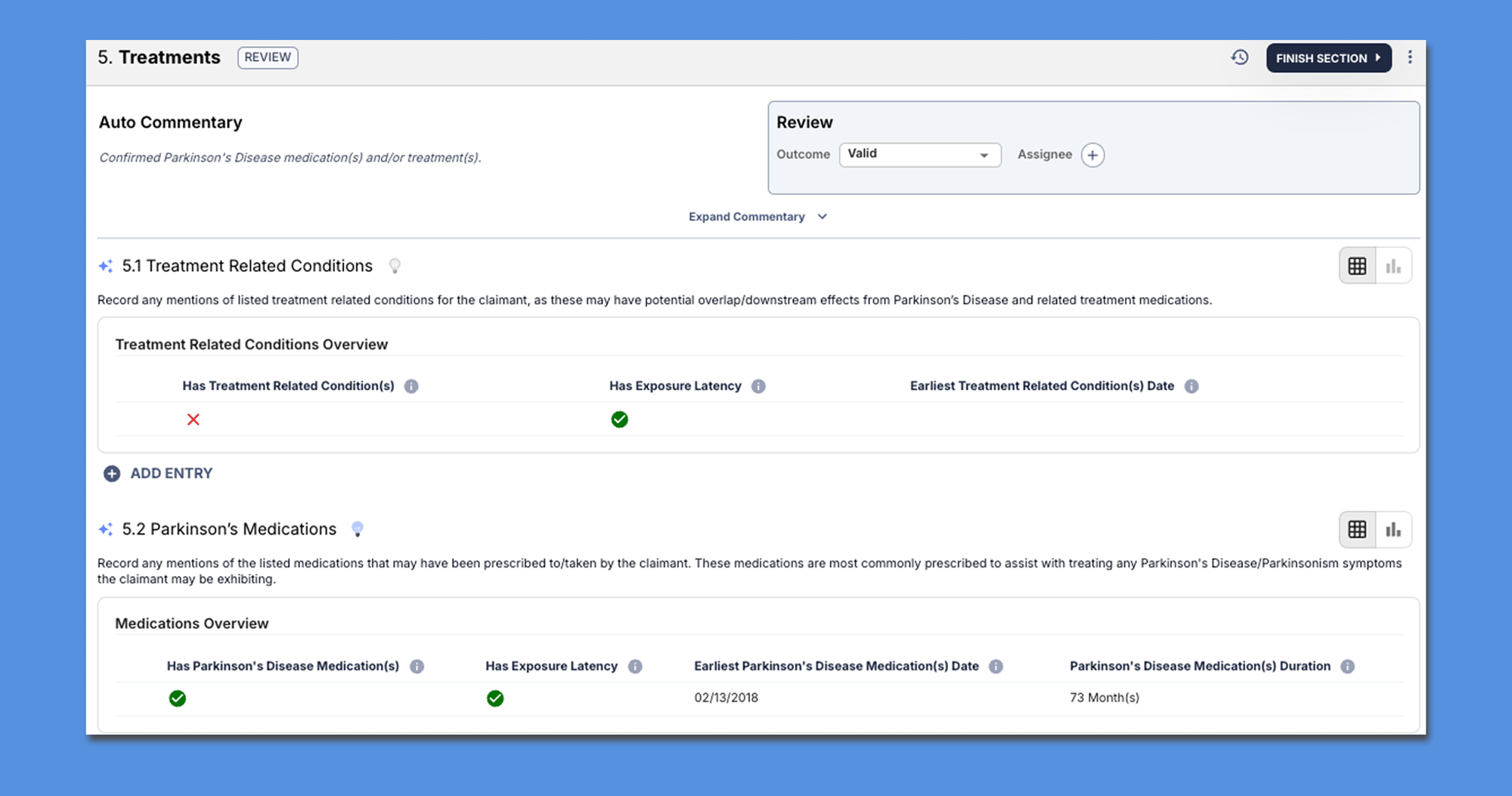
Identify relevant symptoms and medications

The platform highlights Parkinson’s-related symptoms, medications, and clinical encounters found in the record set. Reviewers gain a clearer understanding of the claimant’s medical history and can determine whether follow-up documentation is required.
Paraquat Treatment & Medications

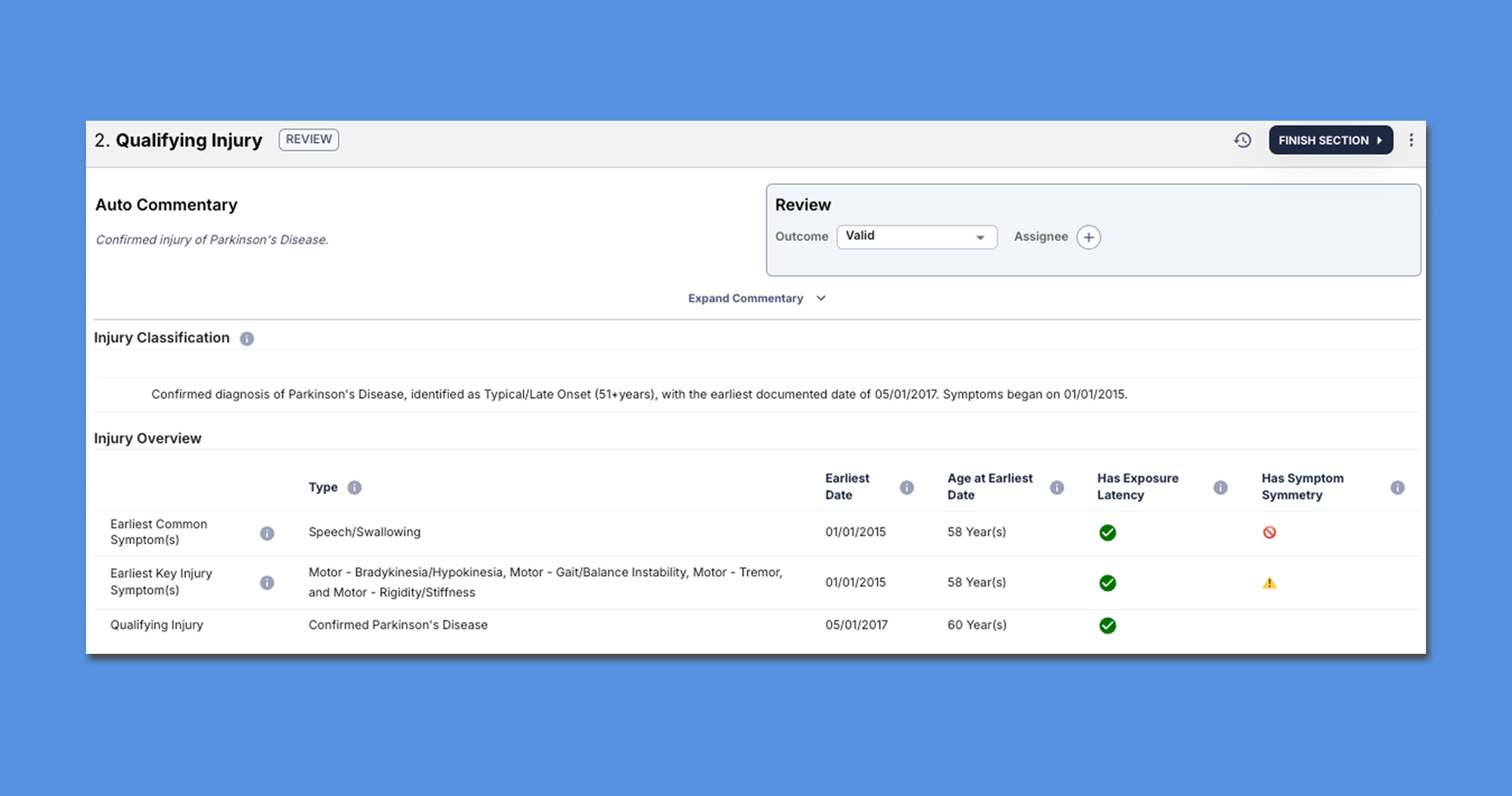
Support accurate injury classification

Pattern brings diagnosis details together so reviewers can distinguish Parkinson’s Disease from conditions with similar presentations. Injury information is organized in one place to help teams confirm whether the case aligns with litigation requirements.
Paraquat Injury

Understand case strength at a glance

The Development Case Score offers a practical way to sort Paraquat cases based on documented exposure, injury indicators, and clinical details. Firms can prioritize their inventory and focus on cases with stronger supporting evidence.

Paraquat Case Score (1)

Export organized work product

Structured summaries consolidate exposure history, symptoms, diagnosis information, and supporting documents. These exports help teams communicate case details internally and prepare for downstream litigation efforts.

Paraquat Export

How law firms use pattern data.

At Pattern Data, we ensure the latest security technologies and procedures are in place to keep your clients’ information safe. Here are some of the steps we take to safeguard your data.

Batch Process Records

Process large caseloads quickly using our advanced data processing, tailored specifically for mass tort litigation.

Advanced OCR technology

Convert unstructured medical data into structured, actionable information tailored to Paraquat litigation criteria.

Automated recalculations

Easily adapt to new or evolving settlement criteria or injury updates with our system’s automated recalculations and export features.

Seamless integration and customization

Integrate with existing processes seamlessly, using customizable scripts, automated actions, and workflow settings to optimize efficiency.

Data Encryption

All data transmissions to and from our website are encrypted using industry-standard TLS (Transport Layer Security) encryption. This ensures that any data you send or receive from our website is protected against interception by unauthorized parties.

Frequently Asked Questions

How does Pattern help identify Parkinson’s-related symptoms in medical records?
Pattern highlights symptoms and medications commonly associated with Parkinson’s Disease based on what appears in the record set. Reviewers can then confirm whether these findings support the claimant’s stated diagnosis or require additional documentation.
Can Pattern distinguish Parkinson’s Disease from similar neurological conditions?

The platform organizes diagnosis information and related clinical findings so teams can understand whether the claimant’s presentation aligns with Parkinson’s Disease or another condition. This helps firms identify cases that may require further review or follow-up records.

How does the Development Case Score work for Paraquat?

The Development Case Score ranges from 0 to 7 and reflects case strength based on exposure information, injury progression, and clinical details. It helps firms understand which cases appear stronger but does not determine eligibility on its own.


Does Pattern analyze latency for Parkinson’s Disease?

Pattern organizes exposure timelines and symptom onset information into a consistent view. This helps teams assess whether the available documentation appears consistent with expected clinical progression.

Can Pattern help identify cases that need additional records?
Yes. As reviewers evaluate exposure and injury details, the platform highlights where important information is incomplete or missing. Firms can use this to plan follow-up requests or obtain supporting records.